The Food System Inside You
Take the 60-second discovery to meet the living food system inside you — then join the waitlist for early access when EatoBiotics launches.
Understand the Food System Inside You
Your health, digestion, energy, cravings, gut comfort, and daily food choices are connected. EatoBiotics helps you assess your internal food system and gives you a personalised score, report, and plan to improve it — supporting your overall health and wellbeing.
3 Biotics
Join the Waitlist when complete.
Free
To join
Early
Access
2026
Launching
The Food System Inside You
powers everything.
Your energy. Your digestion. Your immunity. Your recovery. Your mood. Your metabolism. Your long-term health.
Most people feel the effects every day. Few people understand the system behind them.
helps you measure, understand, and improve the Food System Inside You through your .
Energy
Feel more energised and consistent throughout the day.
Immunity
Support the systems that help protect and defend your body.
Metabolism
Build a stronger foundation for glucose and metabolic health.
Digestion
Build a more comfortable and predictable digestive system.
Recovery
Recover better from training, illness, travel, and everyday stress.
Longevity
Support healthier ageing through better food choices and habits.
From score to plan in four steps
Assess
Answer a few questions.
Score
See your Food System Score instantly.
Report
Get your personal insight report.
30-Day Plan
Follow your plan and improve weekly.
Takes about 5 minutes. No account required.
Three biotics.
One plate.
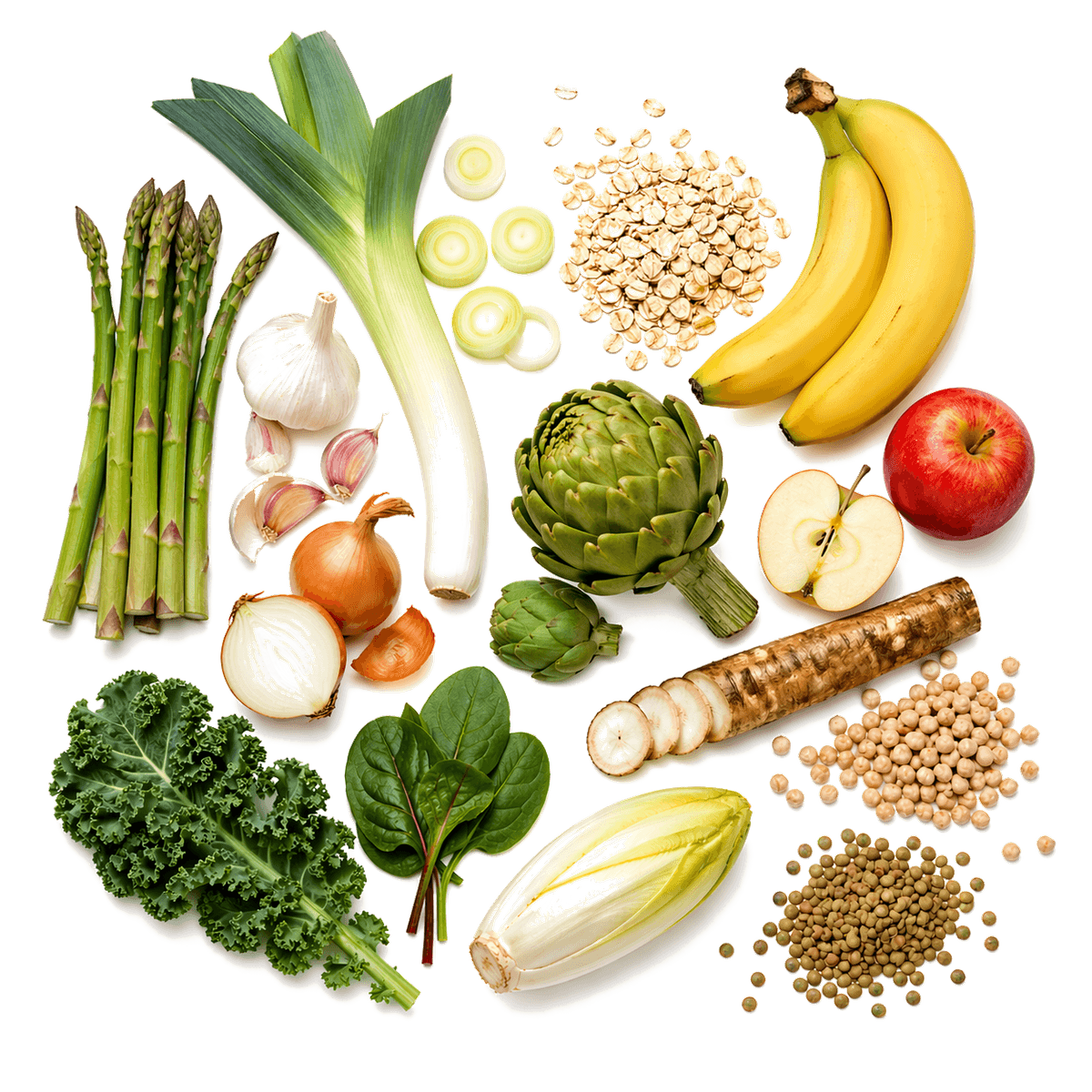
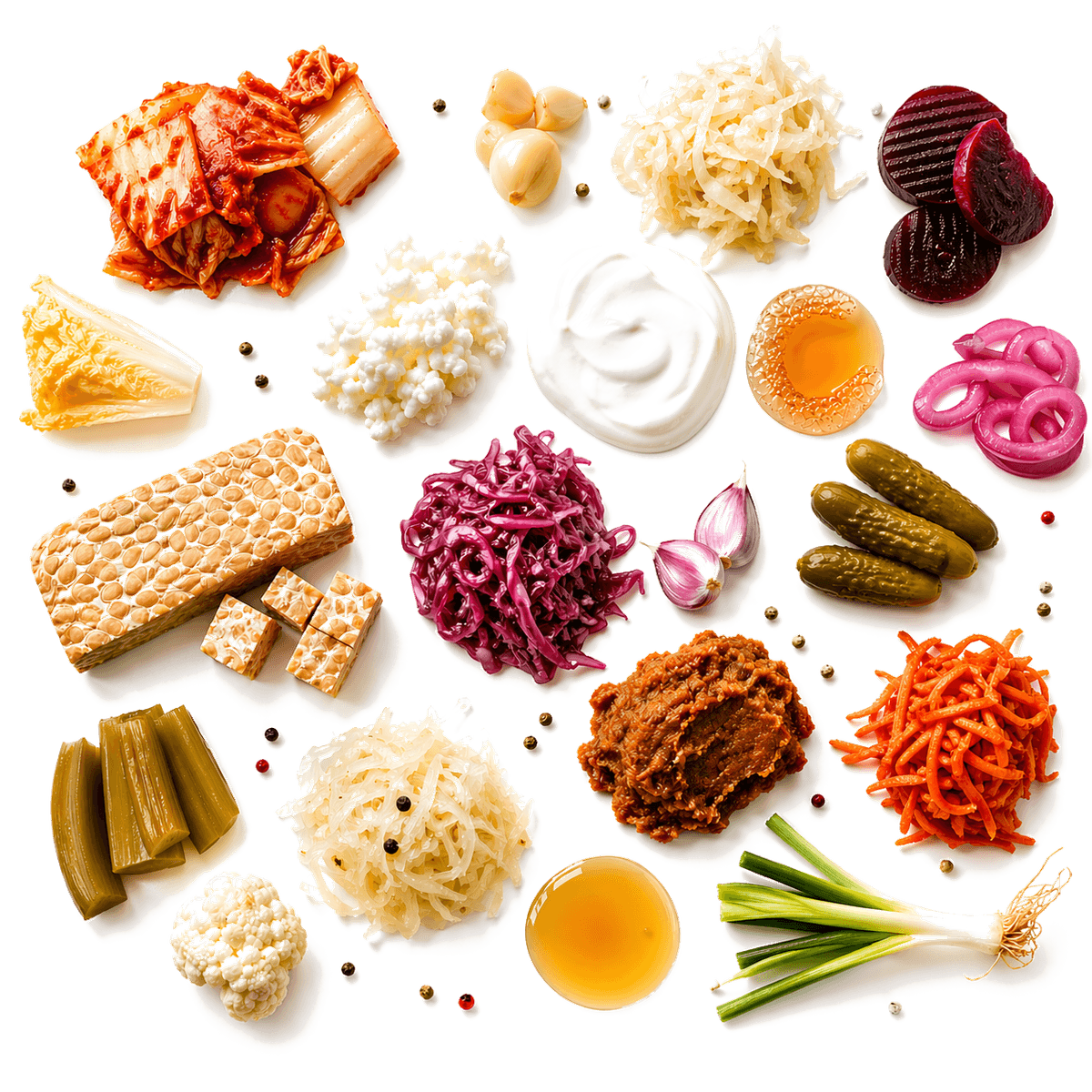
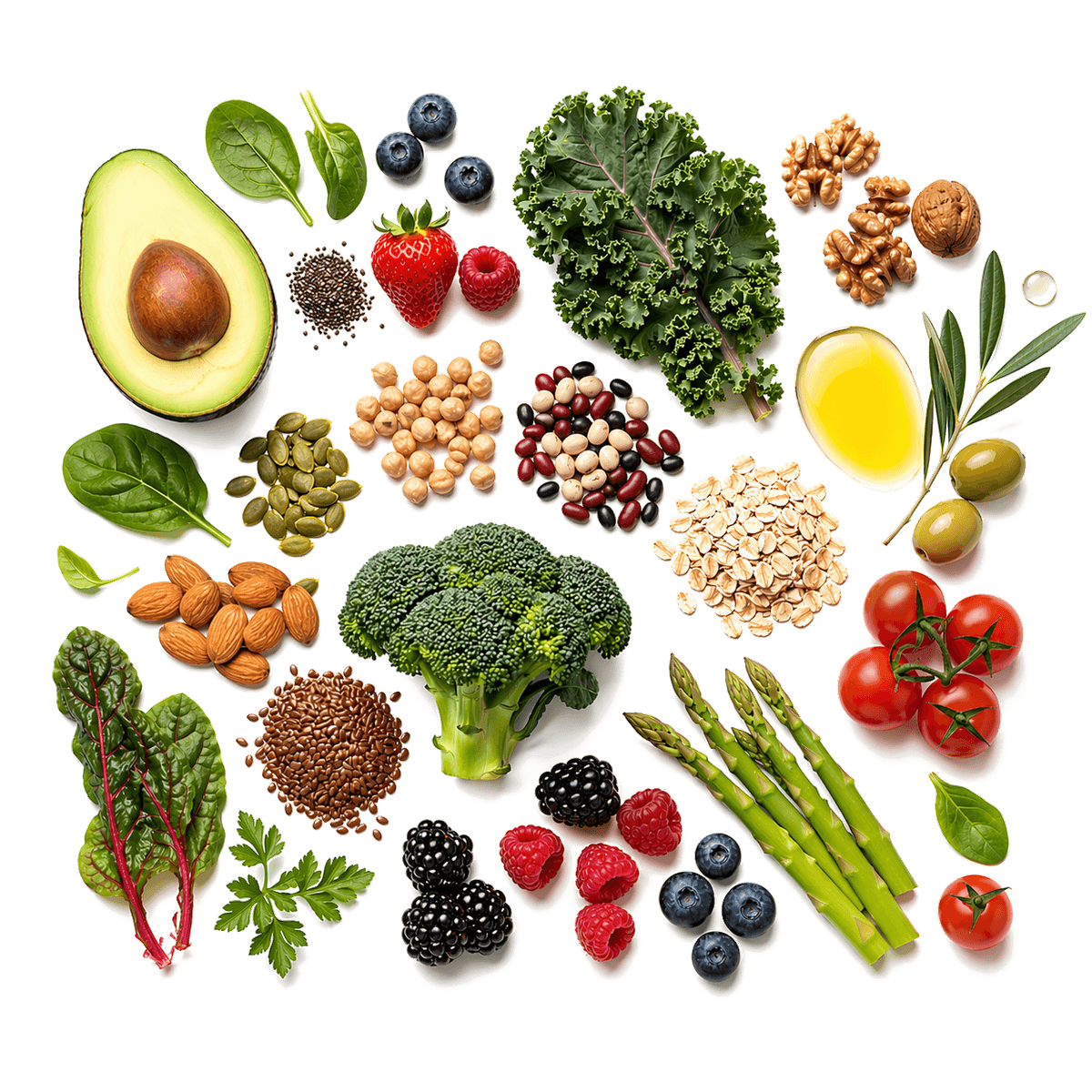
One plate. Built once a week.
The EatoBiotics Plate turns the three biotics into one practical weekly habit. Build your plate once, then repeat it across the week to support your microbiome, digestion, energy, and daily consistency.
Each section of the plate supports a different part of your internal food system — giving your body the fibre, fermented foods, protein, and healthy fats it needs to feel better every day.
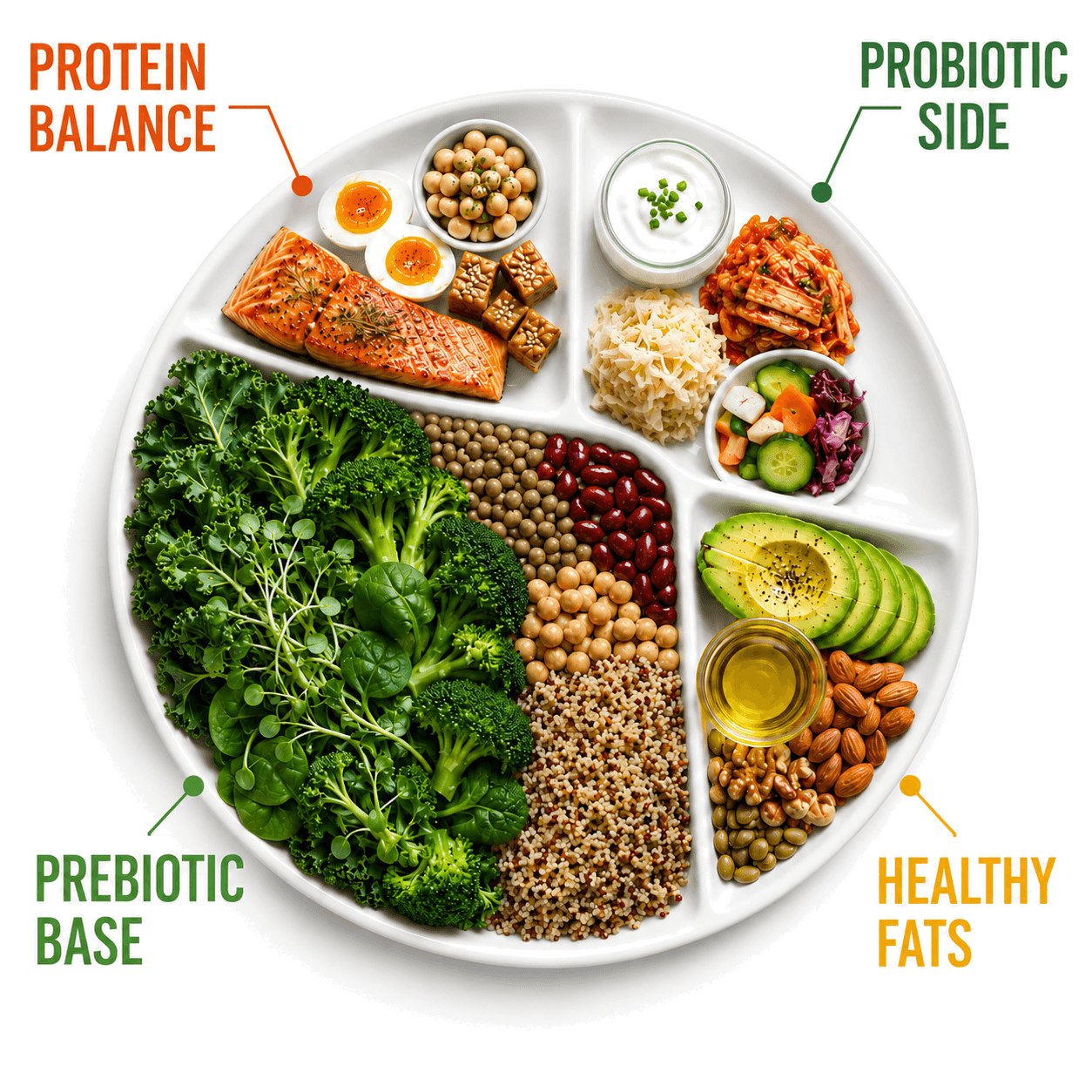
Four sections. One weekly habit.
PREBIOTIC BASE
Fiber Foundation
PROBIOTIC SIDE
Fermented Foods
PROTEIN BALANCE
Quality Protein
HEALTHY FATS
Daily Support
Build the plate once. Repeat it for five days. Change it next week.
Your free EatoBiotics Score
What does your score look like?
Here's an example. After the free assessment, you'll get your own score across all three biotics — and exactly what it means for you.
EatoBiotics Score — Example
Good potentialTakes about 5 minutes. No account required.
One Food System.
Many ways to support it.
Everything starts with a Foundation — your personal or family Food System. Health systems strengthen a specific area, and Life systems support the biggest transitions. Every system builds on your foundation; none stand alone.
Create your Food System baseline. Everything else builds on it.
Strengthen a specific area of your Food System.


Recovery
Replenishment and resilience after exertion.
Longevity
Long-term diversity and anti-inflammatory patterns.
Food-first support through major life transitions.
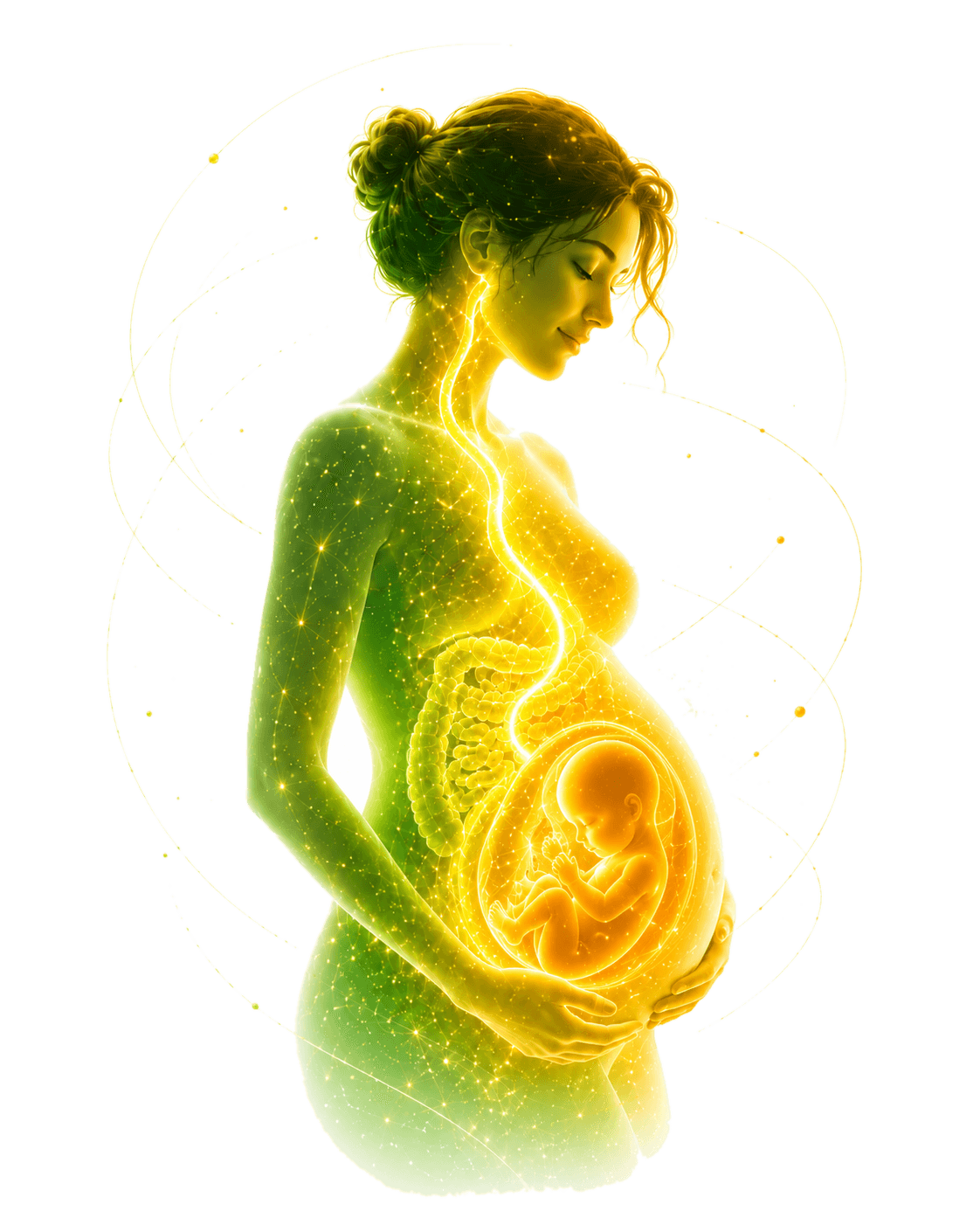
Pregnancy
Food-first education and gentle guidance through pregnancy.
Birth
Nourishment, hydration and rhythm around birth and recovery.

Baby
Gentle food-system education for parents and families.
Food-first education only. For pregnancy, birth, baby feeding or child health concerns, always speak with a qualified healthcare professional.
What you can use today — and where this is going
EatoBiotics is a young system with a long direction. Here is exactly where it stands.
Use it today
Free Food System Assessment
About 5 minutes, no account required
Food System Score
With Feed, Seed, and Regenerate breakdown
Personalised Food System Report
One-time purchase, yours to keep
Online report access + PDF download
From your account, whenever you return
Meal scoring
Describe a plate or photograph a meal, see how it feeds your system
Membership plans
Ongoing tracking and support tiers
Weekly member check-ins
An automated weekly summary for members on our ongoing plans
Being built now
Score history over time
Early views exist for members
Family household features
A shared Family Food System Score and deeper household guidance — core family accounts are live today
Local food guidance
Early groundwork for local foods and terms
Where this is going
Day-75 retest ritual with before-and-after progress
One-action weeks
One practical focus at a time
Country and food-culture adaptation
Deeper localisation
Responsible participation in the wider EatoSystem
The science is global. The food is local.
The Food System Inside You is universal. How you feed it is personal, local and cultural. The future EatoBiotics platform is designed to adapt to how people actually eat, wherever they are.
Sauerkraut
Kimchi
Two fermented cabbages, two continents, the same live cultures.
Probiotics
Kefir
Lassi
Two cultured milk drinks that arrived at the same answer separately.
Probiotics
Oats
Dal
A grain and a pulse, both feeding the same bacteria the same fibre.
Prebiotics
One science, expressed through the meal structures people already use — not a Western plate imposed on everyone.