EatoBiotics
The Food System
Inside You.
Understand your own food system, what shapes it, and how to improve it over time.
Science-backed insights. A healthier you.
100 Systems
100 people. 100 food systems.
EatoBiotics is beginning with 100 people and their individual food systems.Each one will help us learn, improve and evolve The Food System Inside You.
Your place includes the full Food System Assessment when EatoBiotics opens.
The Food System Inside You
powers everything.
Your energy. Your digestion. Your immunity. Your recovery. Your mood. Your metabolism. Your long-term health.
Most people feel the effects every day. Few people understand the system behind them.
helps you measure, understand, and improve the Food System Inside You through your .
Energy
Feel more energised and consistent throughout the day.
Immunity
Support the systems that help protect and defend your body.
Metabolism
Build a stronger foundation for glucose and metabolic health.
Digestion
Build a more comfortable and predictable digestive system.
Recovery
Recover better from training, illness, travel, and everyday stress.
Longevity
Support healthier ageing through better food choices and habits.
From score to plan in four steps
Assess
Answer a few questions.
Score
See your Biotics Score™ instantly.
Report
Get your personal insight report.
30-Day Plan
Follow your plan and improve weekly.
Takes about 5 minutes. No account required.
Three biotics.
One plate.
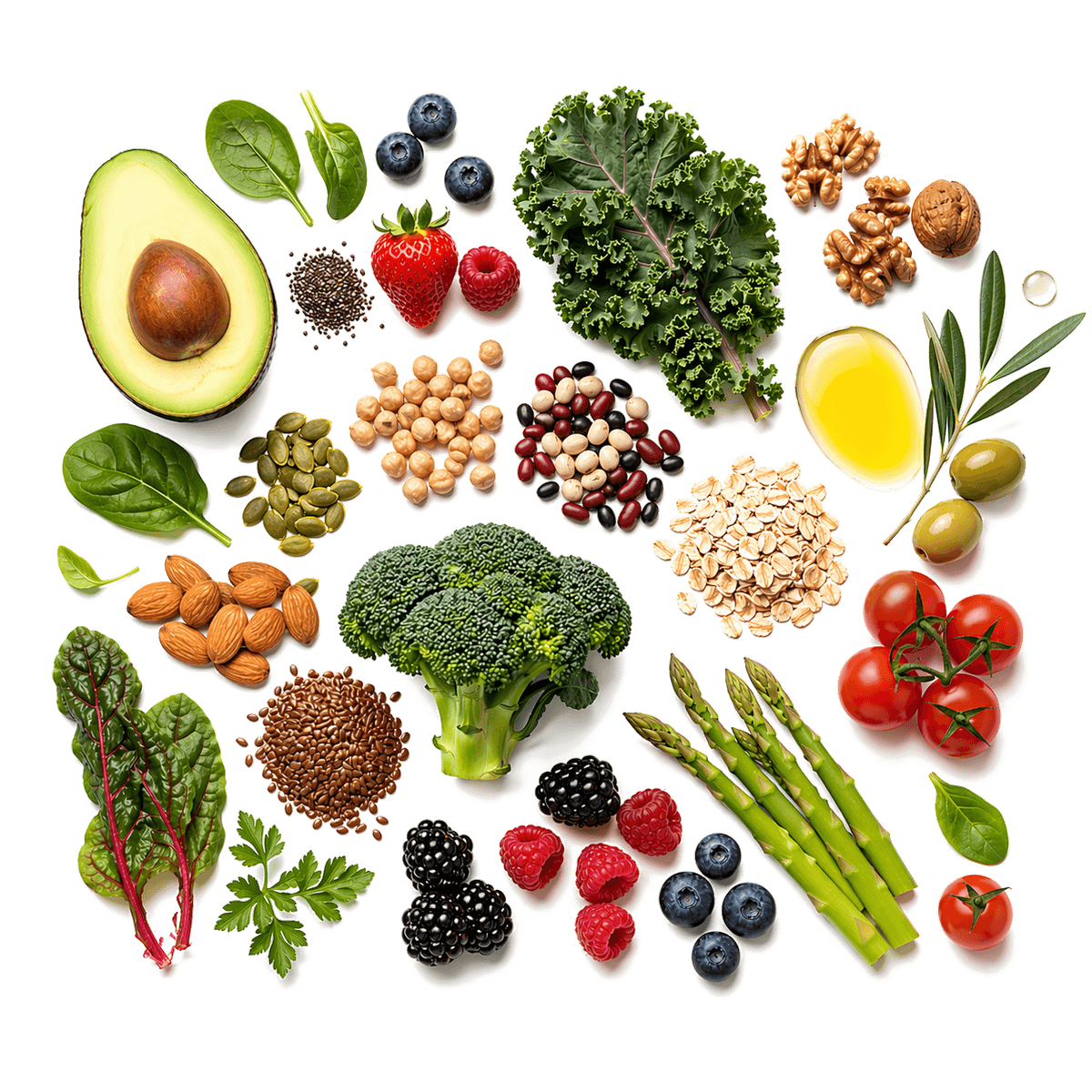
One plate. Built once a week.
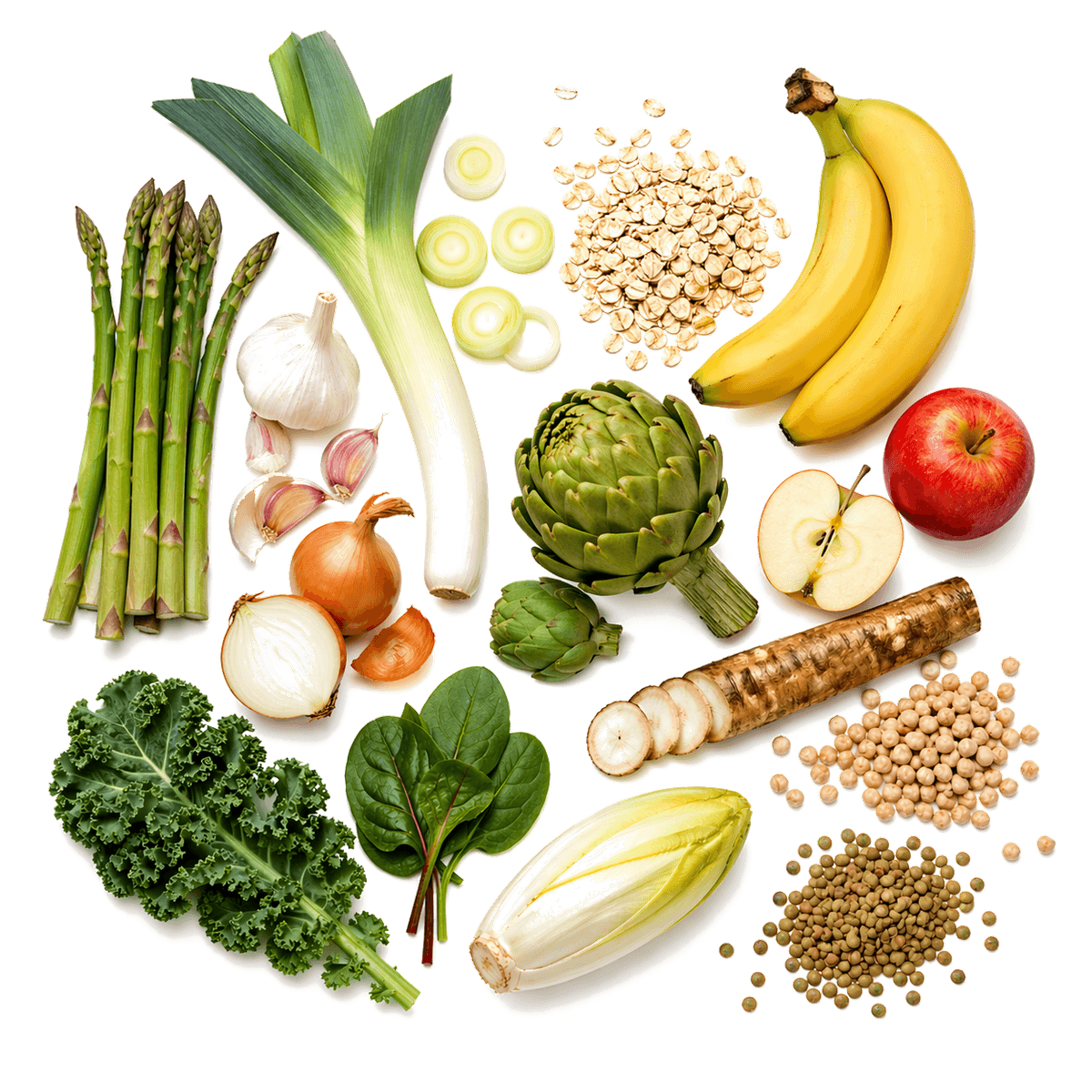
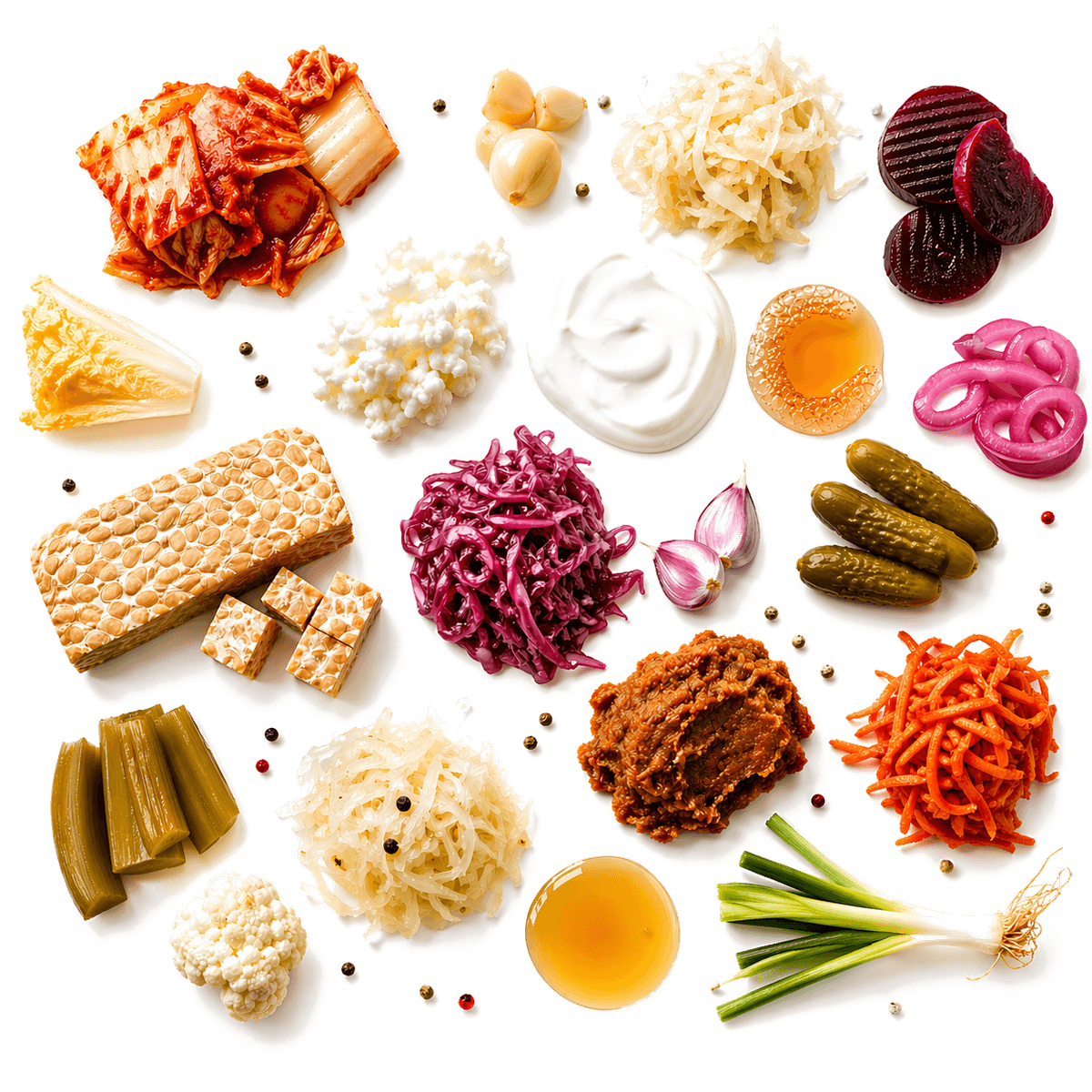
The EatoBiotics Plate turns the three biotics into one practical weekly habit. Build your plate once, then repeat it across the week to support your microbiome, digestion, energy, and daily consistency.
Each section of the plate supports a different part of your internal food system — giving your body the fibre, fermented foods, protein, and healthy fats it needs to feel better every day.
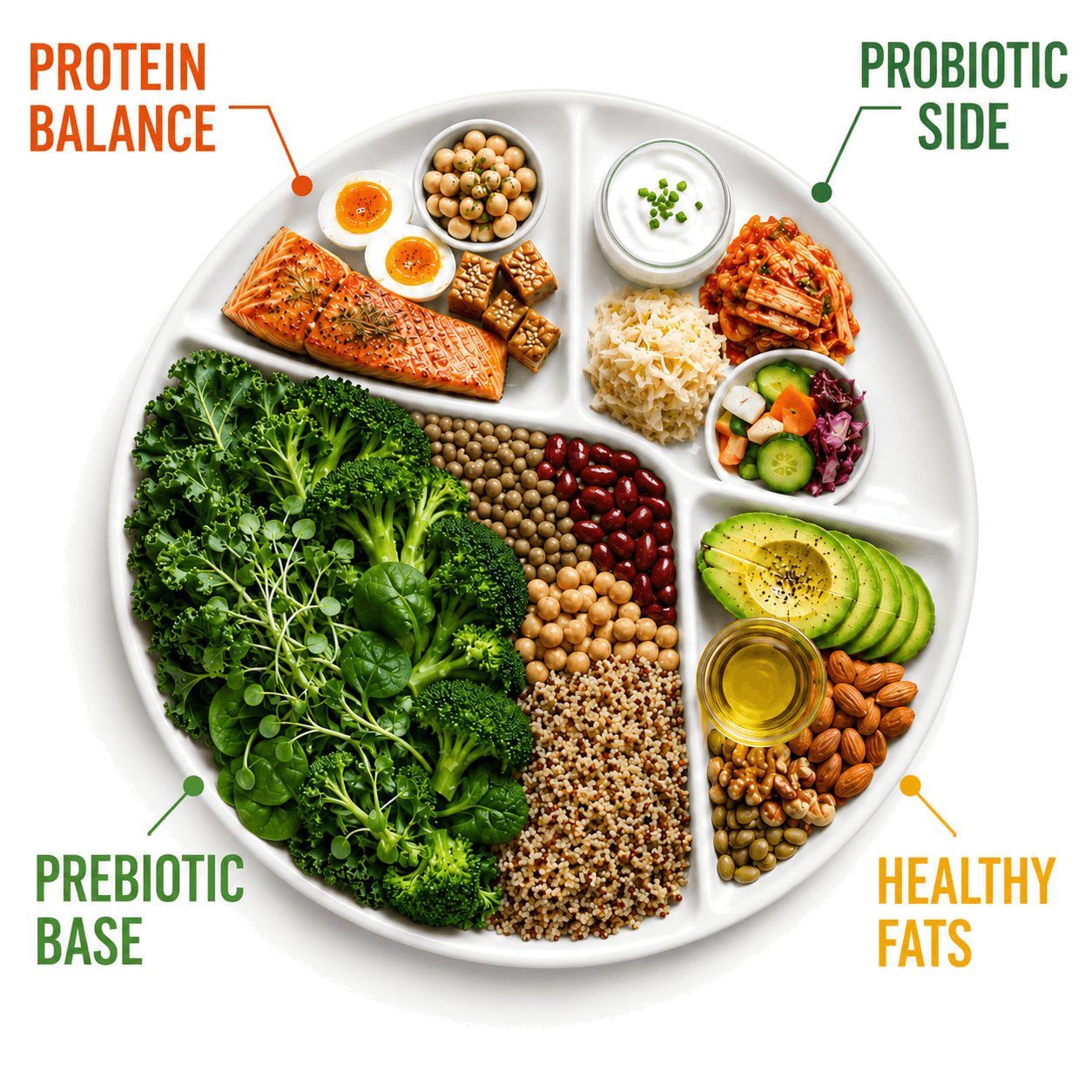
Four sections. One weekly habit.
PREBIOTIC BASE
Fiber Foundation
PROBIOTIC SIDE
Fermented Foods
PROTEIN BALANCE
Quality Protein
HEALTHY FATS
Daily Support
Build the plate once. Repeat it for five days. Change it next week.
Your free EatoBiotics Score
What does your score look like?
Here's an example. After the free assessment, you'll get your own score across all three biotics — and exactly what it means for you.
EatoBiotics Score — Example
Good potentialTakes about 5 minutes. No account required.
One Food System.
Many ways to support it.
Everything starts with a Foundation — your personal or family Food System. Health systems strengthen a specific area, and Life systems support the biggest transitions. Every system builds on your foundation; none stand alone.
Create your Food System baseline. Everything else builds on it.
You
The Food System Inside You.
Your personal Food System foundation — score, report, and improvement priorities.
Explore You
Family
The Food System Inside Your Family.
Your household Food System foundation — routines, habits, and shared priorities.
Explore FamilyStrengthen a specific area of your Food System.
Stability
Digestive comfort and rhythm, supported by food.
Glucose
Steadier energy and fewer cravings, through food.
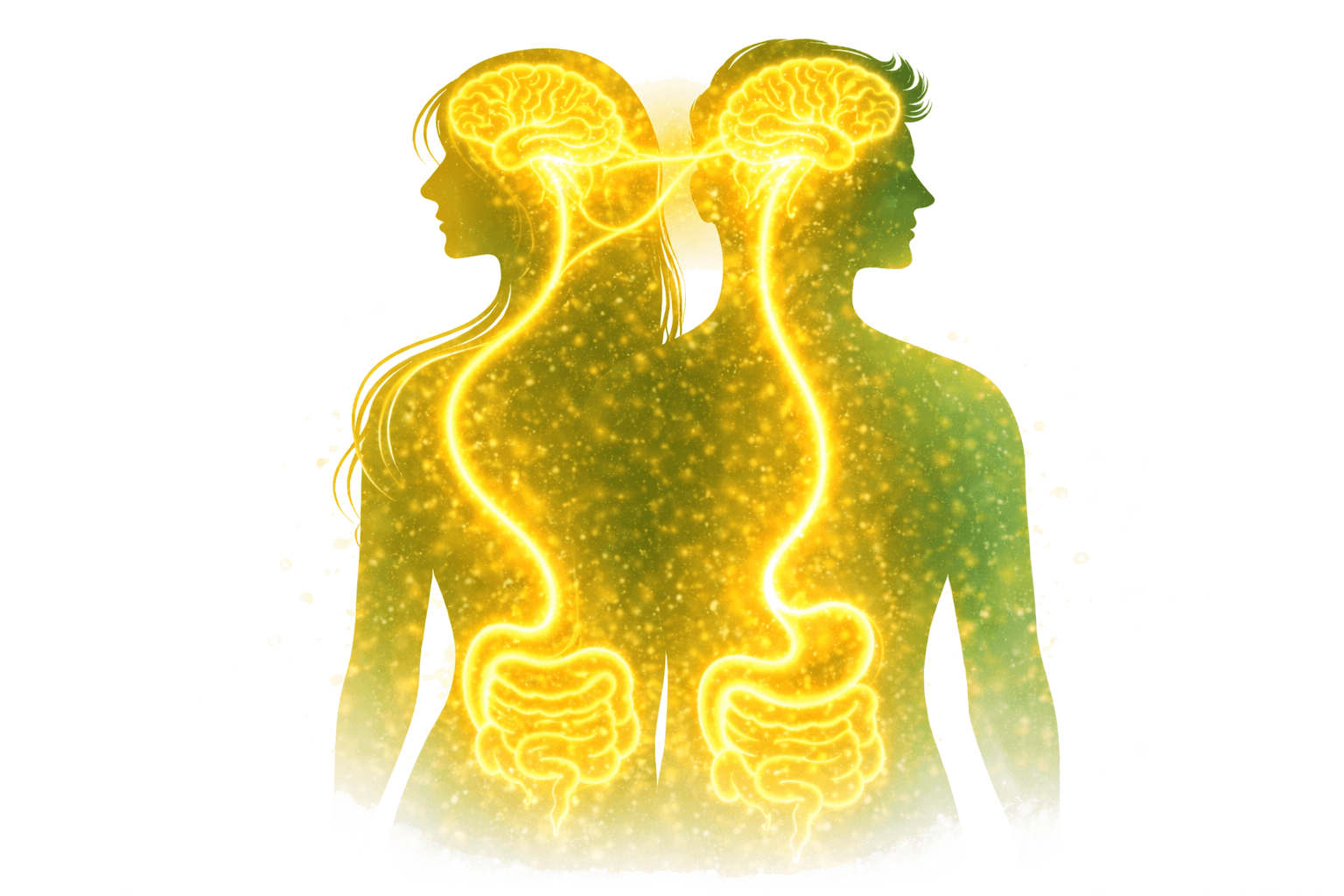
Mind
Mood and focus, through the gut-brain connection.

Performance
Fuel and recovery for training, food-first.

Recovery
Replenishment and resilience after exertion.
Longevity
Long-term diversity and anti-inflammatory patterns.
Food-first support through major life transitions.
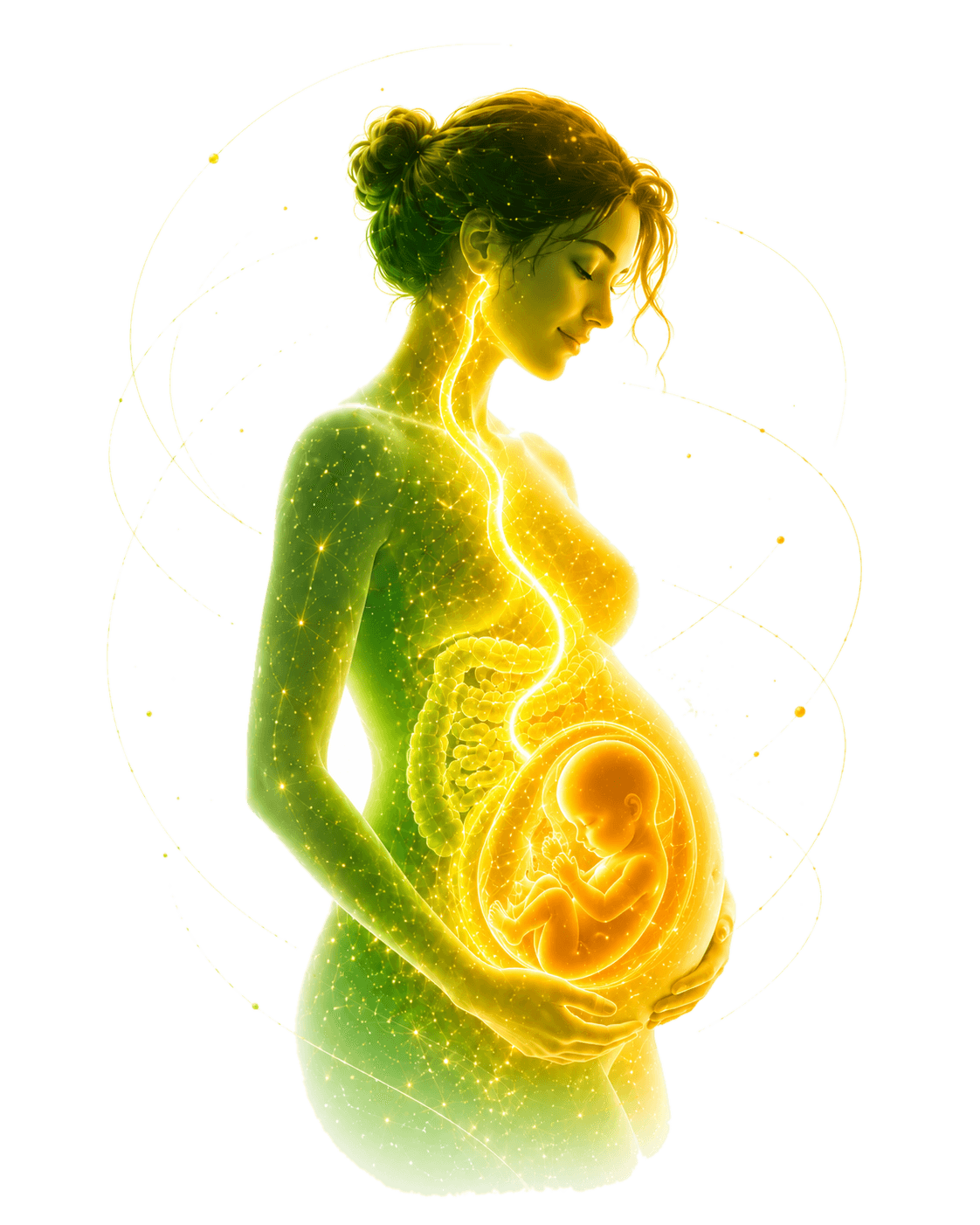
Pregnancy
Food-first education and gentle guidance through pregnancy.
Birth
Nourishment, hydration and rhythm around birth and recovery.

Baby
Gentle food-system education for parents and families.
Food-first education only. For pregnancy, birth, baby feeding or child health concerns, always speak with a qualified healthcare professional.